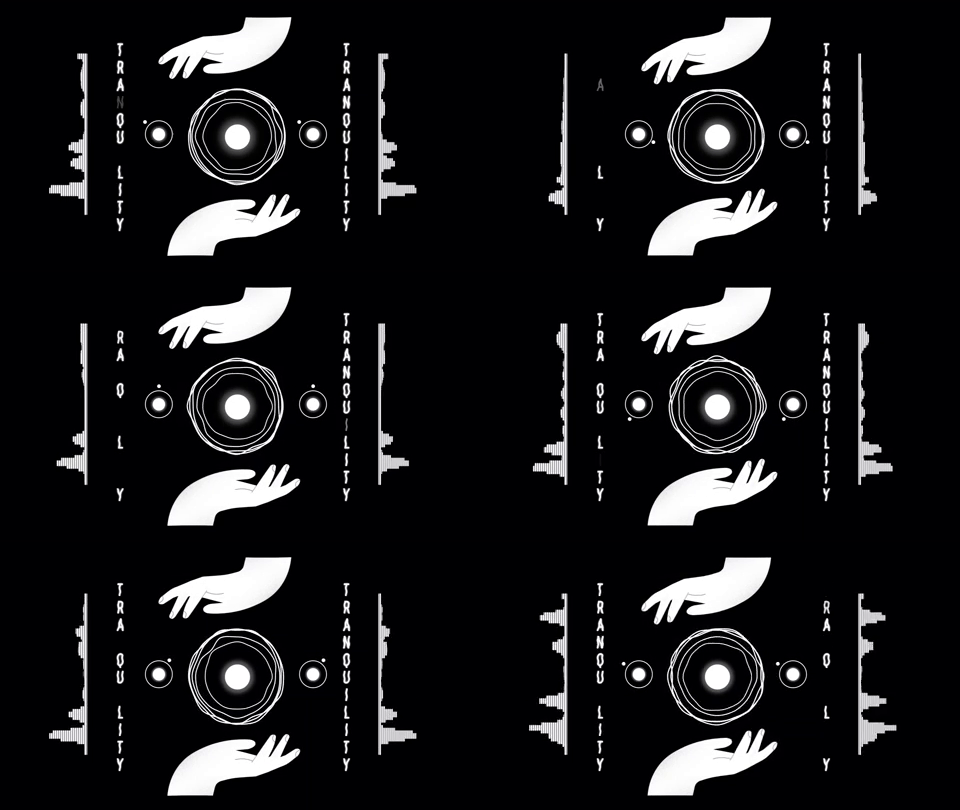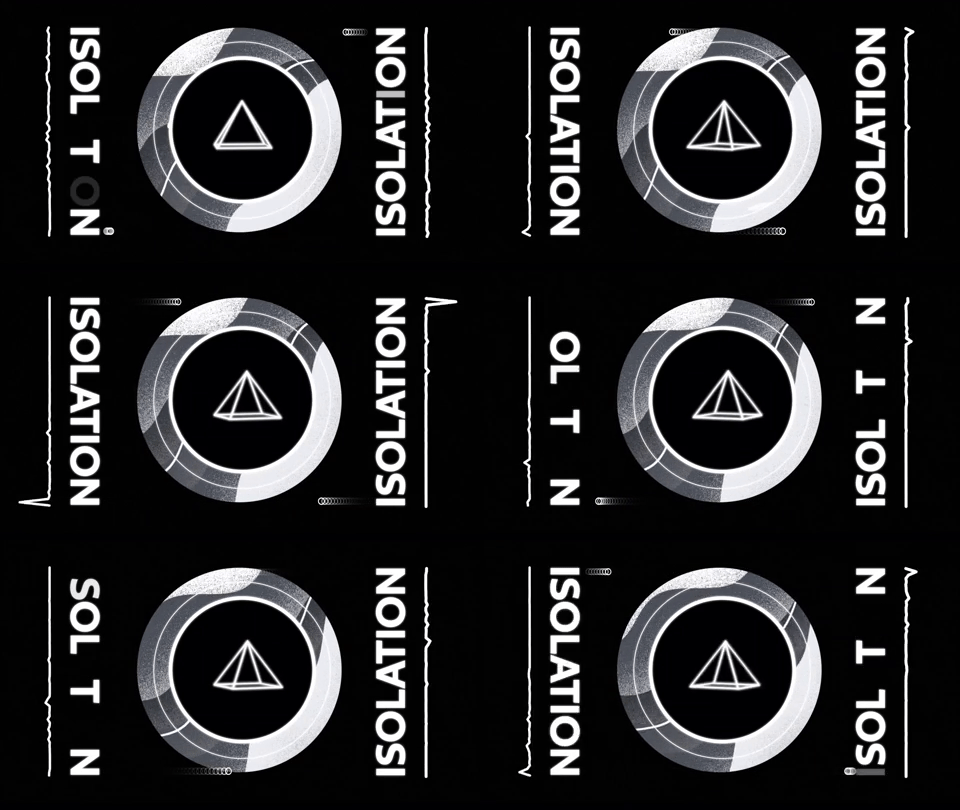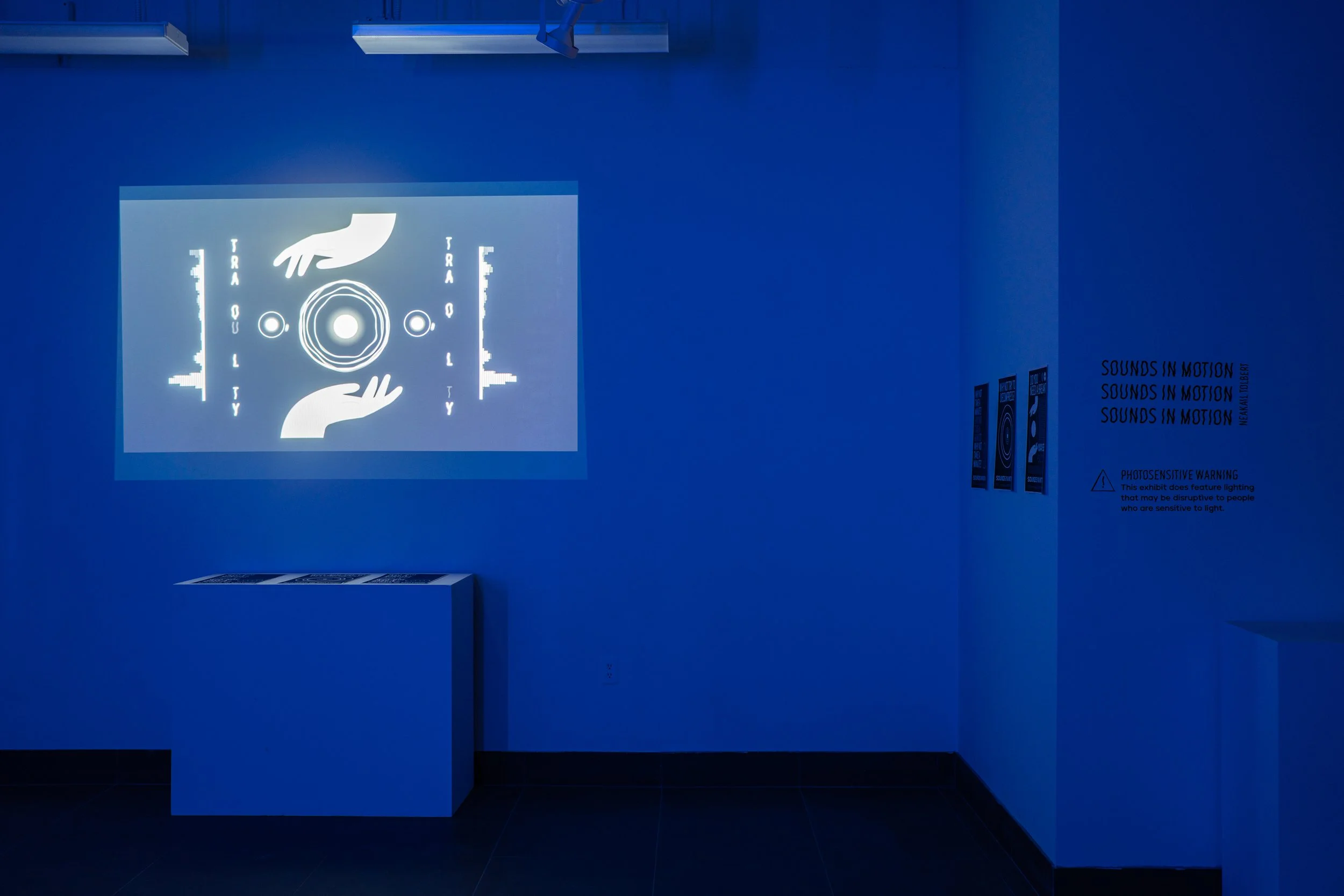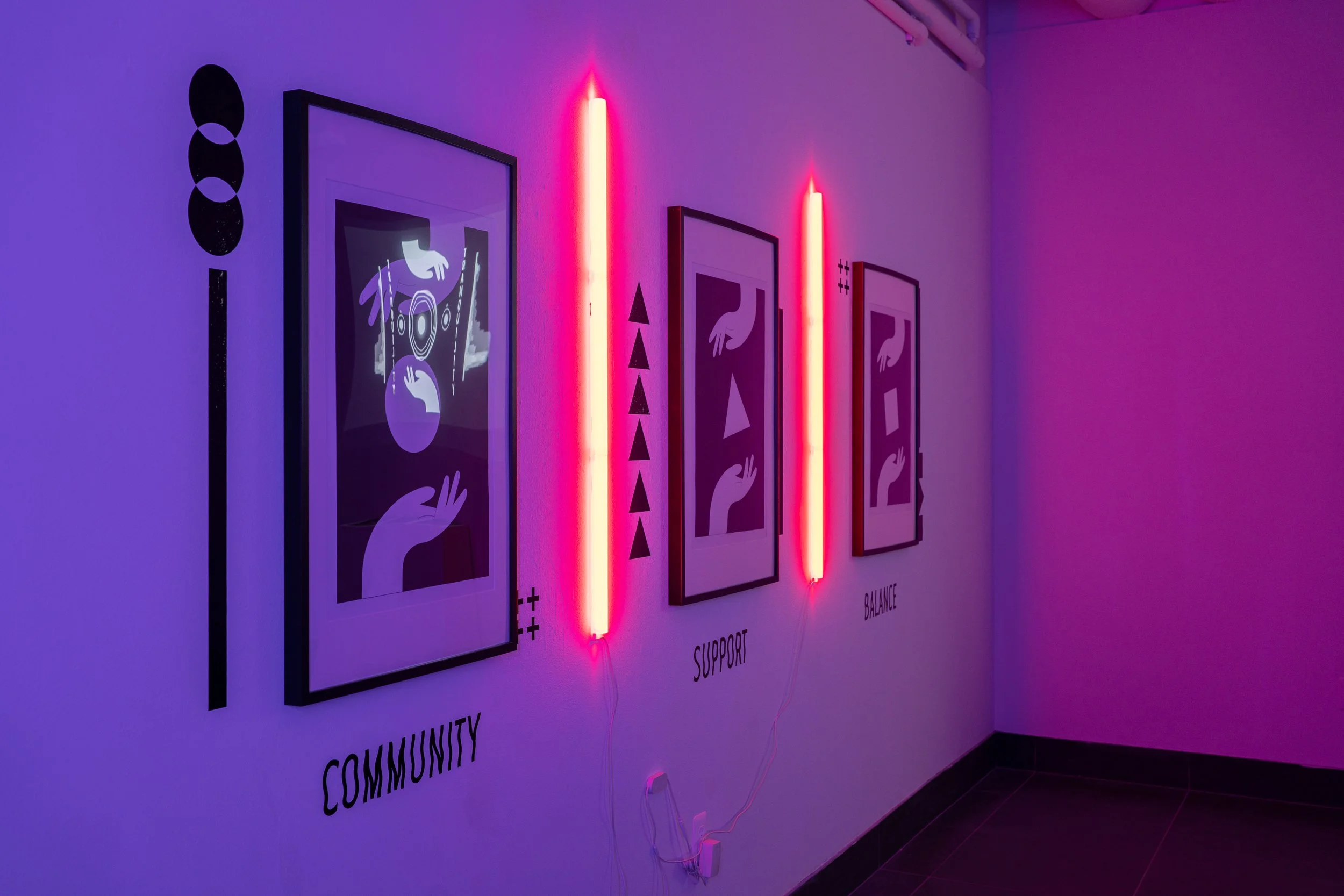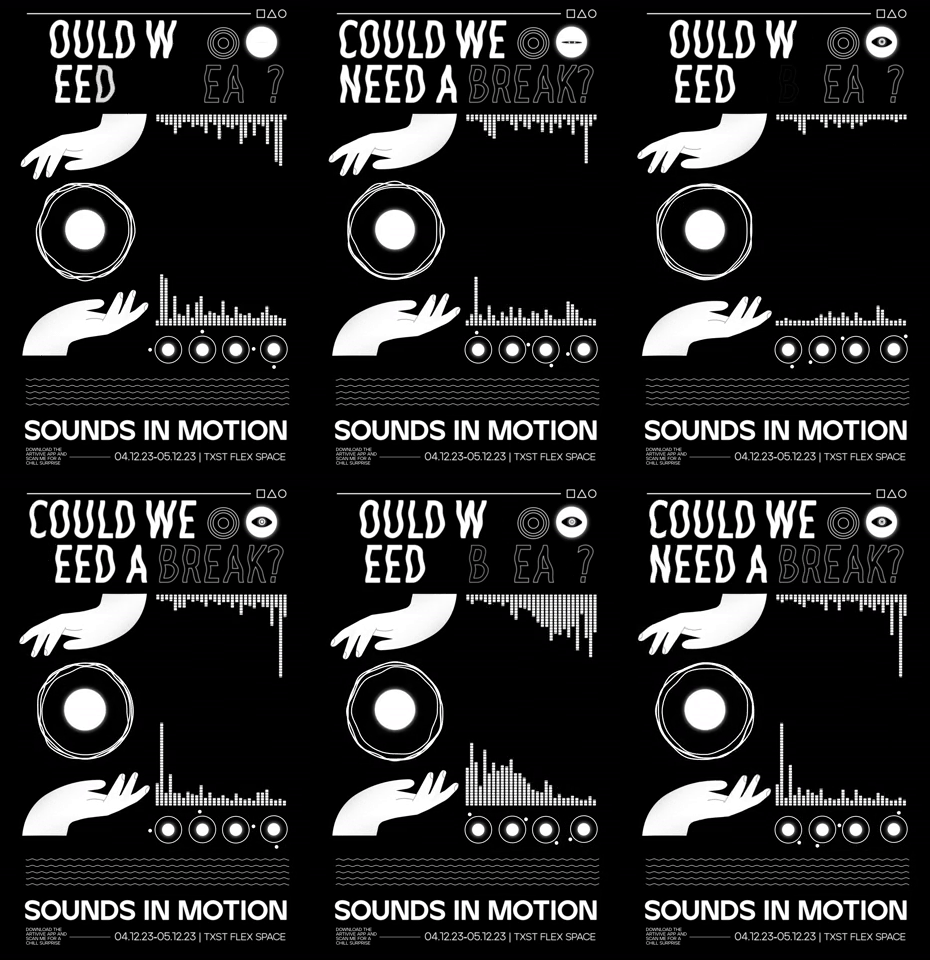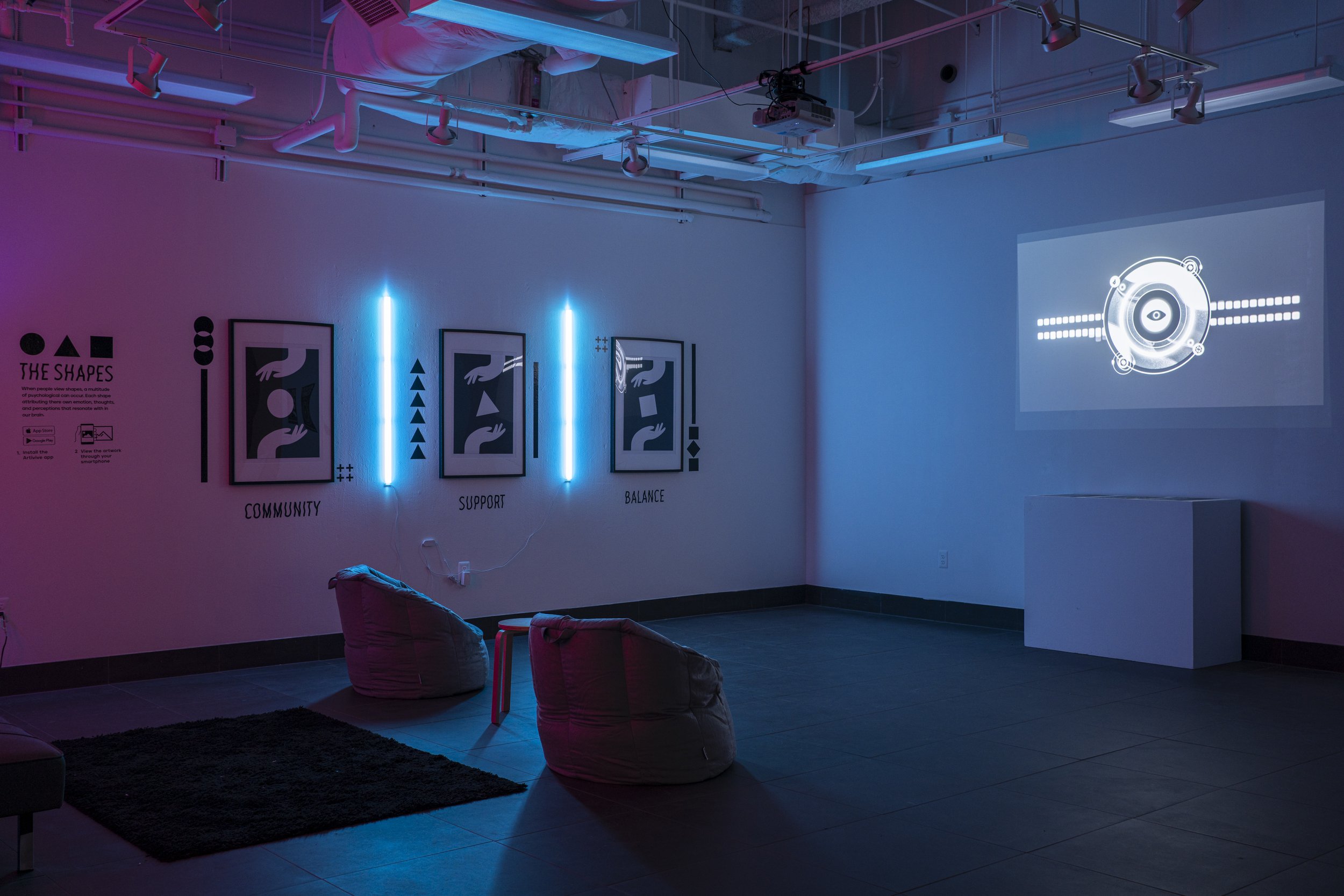
Sounds In Motion was an exhibit that explored how Lo-fi Hip-Hop, motion graphics, and interactive technology can transform physical spaces into immersive environments for relaxation, reflection, and connection. Designed as a response to the stress and anxiety often associated with classroom environments, the project uses sound, animation, and augmented reality to create a calming space where individuals can pause and engage with their surroundings. Through a series of interactive installations, viewers are encouraged to explore, communicate, and share experiences, demonstrating how digital media can foster community and create meaningful connections within physical spaces.
Sounds In
Motion
Project Overview
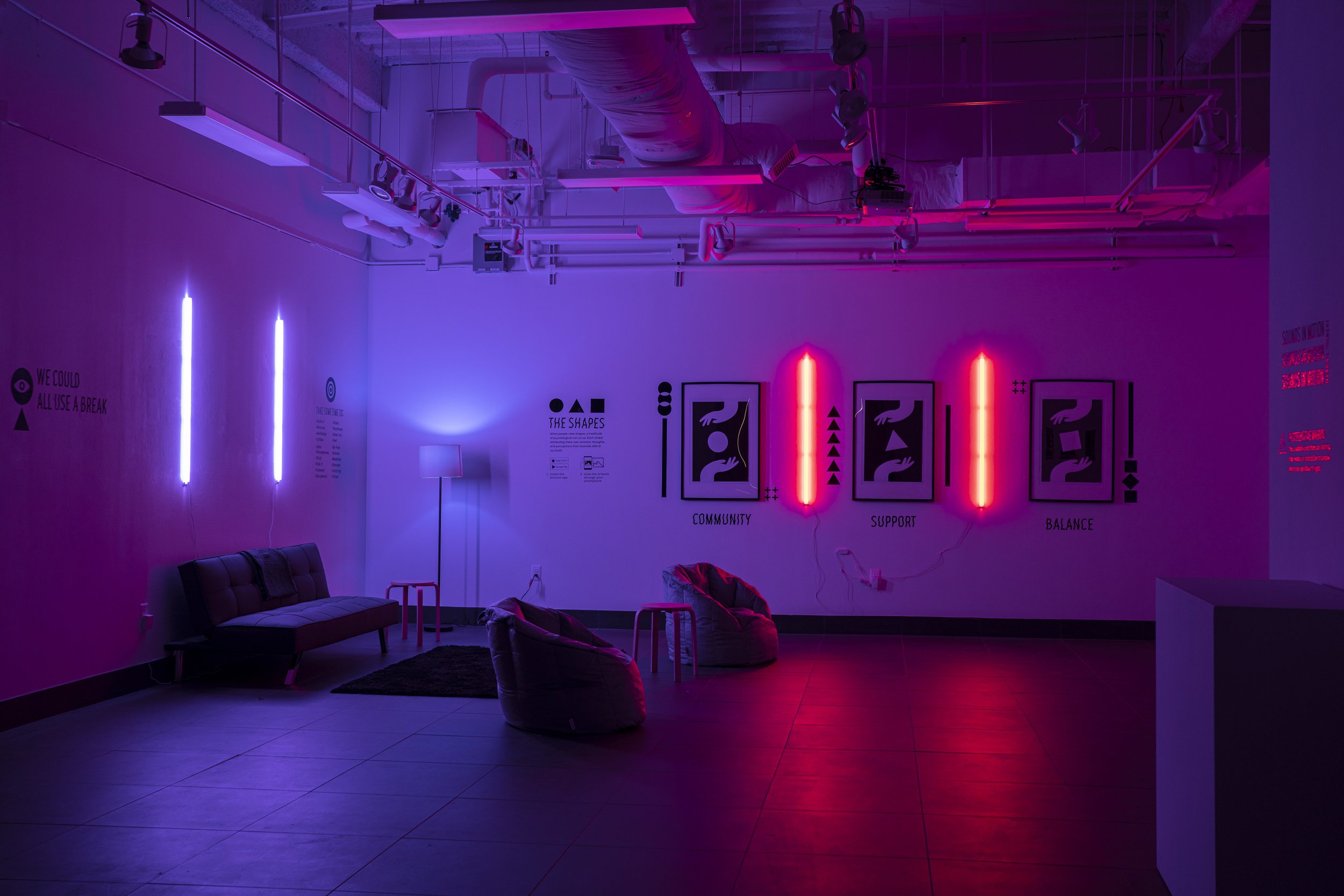
This project is an interactive multimedia installation designed to explore how music, motion, and emerging technology can influence the way people experience physical spaces. Inspired by the calming and atmospheric qualities of Lo-fi Hip-Hop, the installation combines motion graphics, sound, and augmented reality to create an immersive environment centered around relaxation and reflection.
The experience encourages viewers to interact with the installations individually and collectively, creating opportunities for conversation, exploration, and shared discovery. By combining digital visuals with a physical environment, the project demonstrates how interactive design can transform an everyday space into a place for connection, contemplation, and community.
My Role:
Designer
Apps Used:



Discovery & Research
The research for this project began with an exploration of Lo-fi Hip-Hop and its growing role as a soundtrack for studying, working, relaxation, and digital social spaces. Research suggests that Lo-fi has a particularly strong connection with young adults and students, who often associate the genre with focus, relaxation, emotional exploration, and creating a sense of personal space within stressful environments.
I also investigated how sound, motion, and interactive technology can work together to influence a viewer’s emotional experience. Recent research into Lo-fi music has found preliminary evidence of reduced state anxiety and increased feelings of relaxation among young adults, supporting the project's interest in using the genre as a foundation for a calming environment.
Visual System & Motion Execution
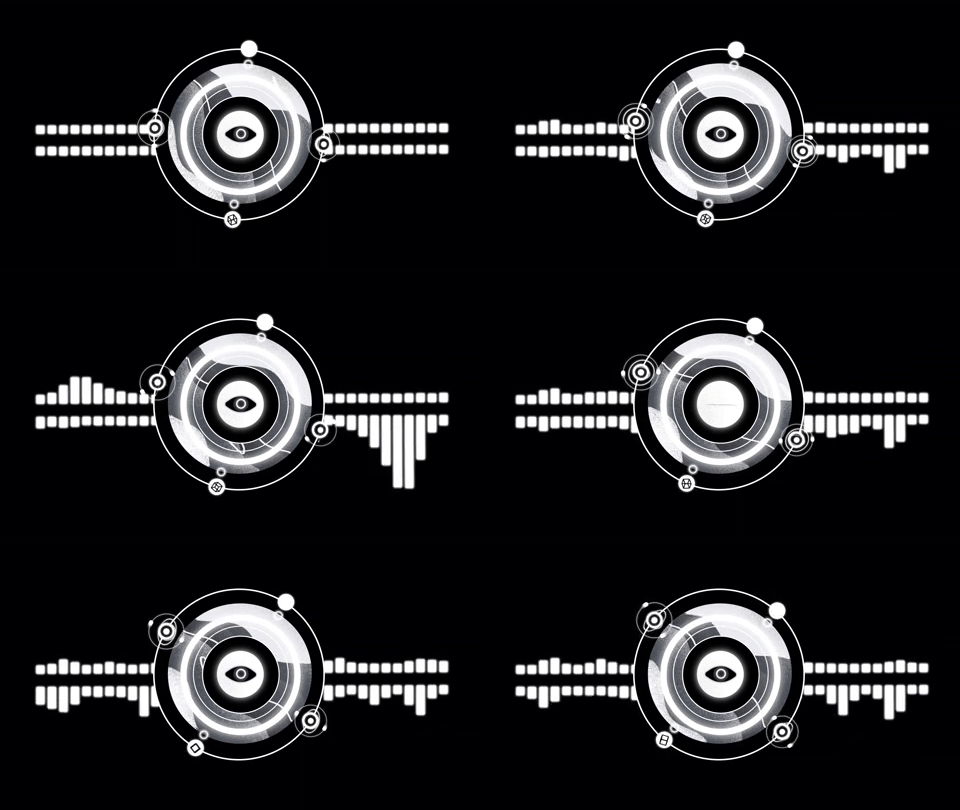
The visual system was designed around the calming, atmospheric qualities of Lo-fi Hip-Hop. Soft gradients, abstract forms, organic shapes, and layered textures were combined to create a visual language that feels immersive without becoming overwhelming. The design intentionally avoids rigid compositions and aggressive visual movement, allowing the viewer to slow down and become more engaged with the environment.
Motion played a central role in translating the music into a visual experience. Subtle looping animations, rhythmic movement, transitions, and visual responses to sound were used to create a connection between what the viewer sees and hears. The pacing of the animation was intentionally slow and fluid, reflecting the relaxed nature of Lo-fi while encouraging moments of contemplation.
The motion system was also developed with the physical installation in mind. Visual elements were designed to work across multiple surfaces and levels, creating continuity throughout the space. Through the combination of motion, sound, and interaction, the visual system transforms the installation from a static display into an evolving environment that viewers can explore and experience at their own pace.